While many of us first became familiar with the term “Be Prepared” as a kid, through organizations like the The Scouts of America or from our teachers at school, the idea of preparing for emergencies has become increasingly relevant in the last decade.
So what does it mean to “Be Prepared” in this context?
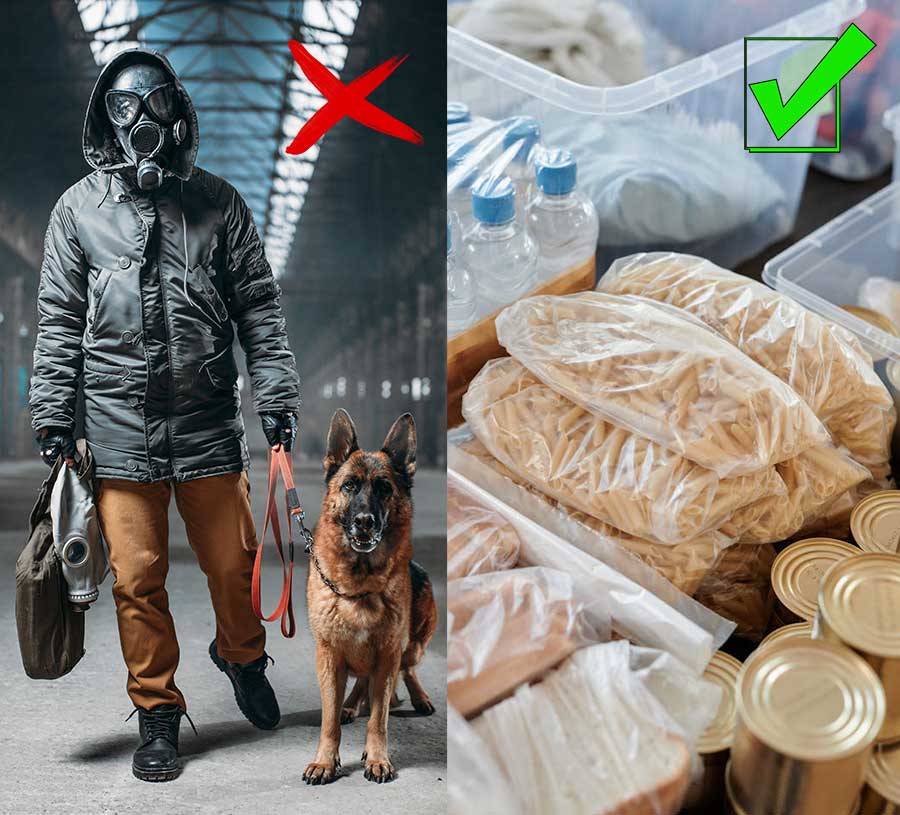
You don’t have to go to the extremes of a “Doomsday Prepper” and build a bunker underground, but you can start to gather items that can come in handy should life be disrupted for a short or extended period of time.
One of the benefits in living in a place like Helena Township is that we know most of our neighbors to some degree. This means that whether we face a snowstorm, a tornado, or a long power outage, we can rely on ourselves and our community to stay safe, stay warm, and stay in control should a serious situation cause us to be self reliant.
We aren’t likely to face hurricanes or earthquakes here, but that doesn’t mean we’re off the hook. Here are some of the situations we are most likely to affect Helena township:
As Minnesotans, we’re no stranger to crazy winter weather. However, as global weather patterns show patterns of becoming more extreme, we are more likely to face a “100-1000 year storm” in our lifetimes. Heavy snow, ice storms, or deep freezes can make roads impassable, cut off power, and leave people stuck at home for days. It’s important to have enough supplies to stay warm and safe during a long storm.
Spring and summer bring fast-moving storms. High winds, hail, and even tornadoes can knock down trees or power lines. It’s important to know where to shelter and how to stay informed when storms are in the area.
Floods can happen during spring thaw or after heavy rains. Rural roads, basements, and low-lying areas are especially at risk. The risk of flooding is higher for homes situated closer to the banks of Sand Creek and other waterways.
We all remember the early days of the Covid-19 pandemic when stores were running out of toilet paper of all things. While it seems silly now looking back, the reality is that storm damage, grid problems, or even supply chain delays can make it harder to get fuel, groceries, or prescriptions. Planning ahead helps avoid a scramble when things go wrong.
Naturally some of these items will expire over time, so it’s advisable to rotate perishable items such as food and prescriptions. At the very least do an inventory check every year on a memorable date. If you keep gas for your generator, it’s a good idea to occasionally use it in your car and refill the emergency gas. Ethanol blended gas will degrade after as little as 3 months, regular gas should be good for close to 6 months in a sealed can, and diesel can last for up to 12 months. Adding a gas stabilizer can extend the shelf life of gas. Of course be sure to store this in a safe manner and prevent the fumes from being inhaled in your living space.
Fortunately for us, we are not likely to face the massive wildfires that affect people out west. That said, dry conditions, old heating systems, or electrical issues can all lead to fires. It’s smart to check smoke detectors, know how to shut off utilities, and have a fire extinguisher on hand.
While we aren’t as likely to be in danger from larger wildfires, the effects of them can still reach us in terms of air quality. Having a air filter/purifier (or more than one), and a plan for isolating your home from the outside air is worth preparing in advance.
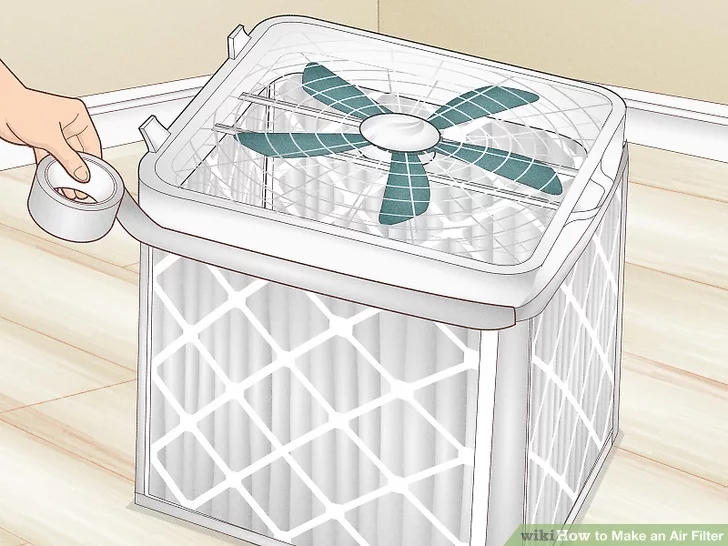
If your home has central air, then it probably includes a single air filter internally. To supplement this you can also create a temporary “DIY air filter” using a box fan, some HVAC air filters, and duct tape.
For years now we’ve been told that we should be prepared to shelter in place for up to 72 hours. The idea that every household should be able to take care of itself for at least three days in an emergency was considered a reasonable window of time for help to reach those affected in a disaster. That’s still a good starting point. But with today’s longer-lasting storms and stretched emergency services, many experts now recommend preparing to be self-sufficient for two full weeks.
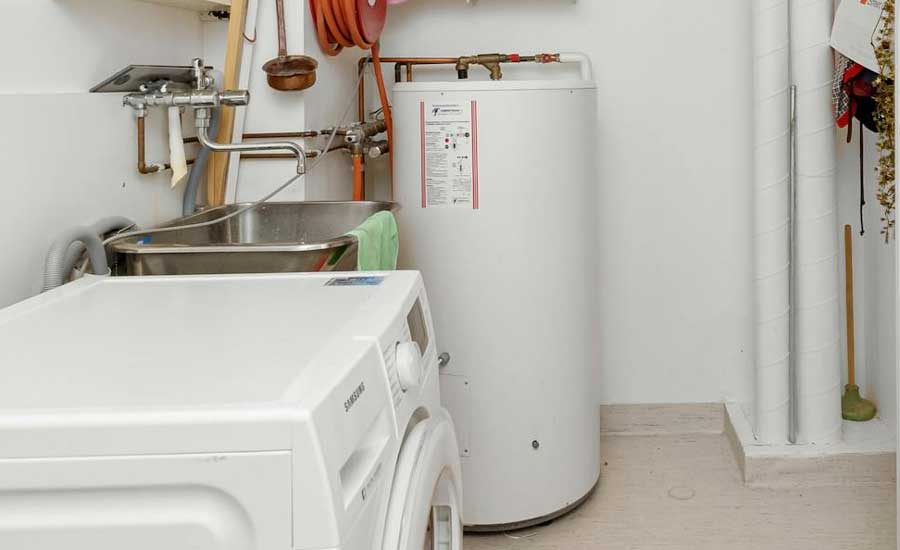
If you find yourself in an extended situation at home, remember that your water heater is holding many gallons of excess water. If you can access this water, it is a good idea to run it through a simple Brita type filter to remove any rust, minerals, and sediment that can build up in the tank over several years. While this should never be your primary plan for emergency water, it’s good to keep in mind as a backup.
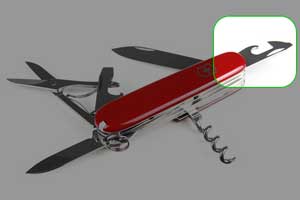
Every winter we hear about people suffering from tragic losses of life that were caused by simply trying to stay warm during a power outage. Take note of these tips to keep you and your loved ones safe if your ever in this situation.
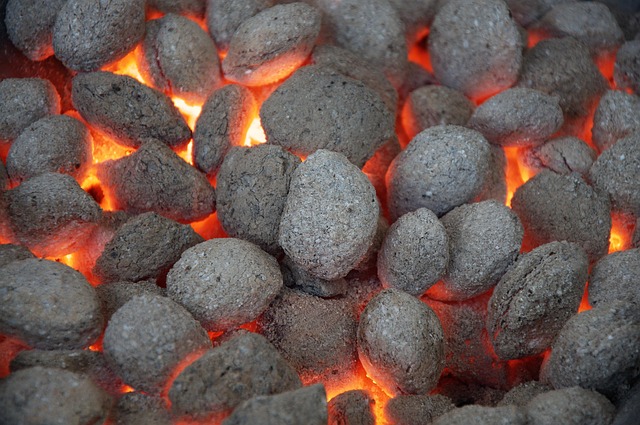
Bonus tip: While you should never bring the BBQ into your home, you can still use it for indirect heat. In a pinch use your grill at a safe distance from your doors and windows to heat up objects like a cast iron skillet, pots of water to fill hot water bottles, or even large stones (Caution: stones may explode during heating). Once these items are heated up, you can place them under the blankets to keep you warm for hours.
Be extremely careful of how you handle and place these items to prevent burns.
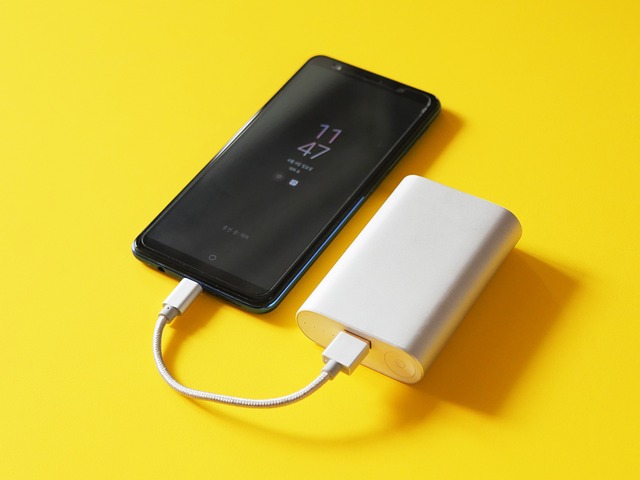
A backup battery pack for charging phones is also helpful, but once that runs out of juice, your options to charge the phone might be limited. While it will be tempting to constantly refresh the news hoping for positive updates, you can save your phone’s battery by powering it on once an hour (or less often) to check for messages and new updates to the situation. Also, be sure to enable “power saver mode” if your phone has one. Turning off Bluetooth and Wifi will also help save power if they’re not in use.
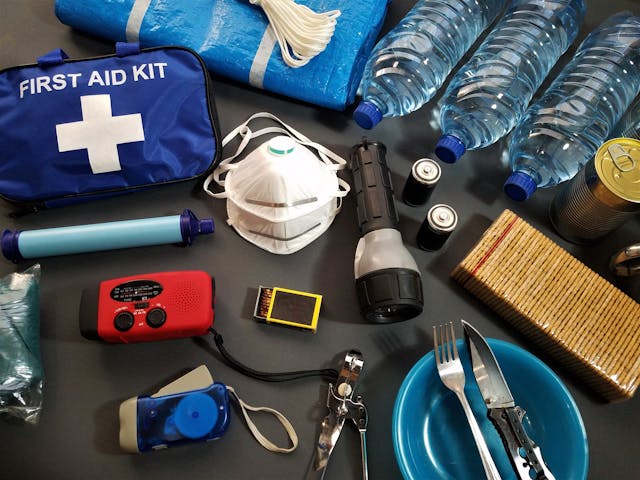
If you’re looking at this list and thinking “Wow, that is a lot to do just to prepare for something that may never happen…”. You don’t need to do or buy everything at once.
Start out with the most important things on the list, and add to your list of preparations over time. You can get some of the food items each time you do your regular shopping, or consider getting your family a generator as one of this year’s Christmas gifts. The point being is that each small step gets you closer to being ready when it matters.
Getting fully prepared doesn’t mean you have to go out and spend hundreds of dollars all at once. In fact, the most effective way to build your emergency supplies is to do it gradually.
If you buy one extra item each week, or take one small action each month, you’ll be surprised how quickly things add up.
If you’re looking for a plan to follow, we recommend Do1Thing.com. It’s a nonprofit program that breaks preparedness into 12 monthly steps, each focused on a different area, like water, communication, or first aid.
The idea is simple: just do one thing each month to make your household more ready for the unexpected.
You can follow along month-by-month or jump in wherever makes sense for you. It’s perfect for busy families or anyone who’s not sure where to start.
Getting reliable information during an emergency can make a huge difference. Weather can change fast, roads can close, and safety recommendations can shift by the hour. The sooner you know what’s happening, the better your chances of staying safe and making smart decisions.
Here are a few ways to stay informed:
Scott County uses CodeRED, a fast mass-notification system for emergency alerts—everything from severe weather to road closures and evacuations. Residents can sign up to receive messages by phone, text, or email and choose from categories like Emergency, General, and Weather. Most landlines are pre-registered, but cell phone users need to sign up manually
For more info or to sign up for CodeRED alerts, visit: https://www.scottcountymn.gov/1545/CodeRED
Please note: CodeRED is provided as a supplemental emergency communication method and should not be relied upon exclusively.


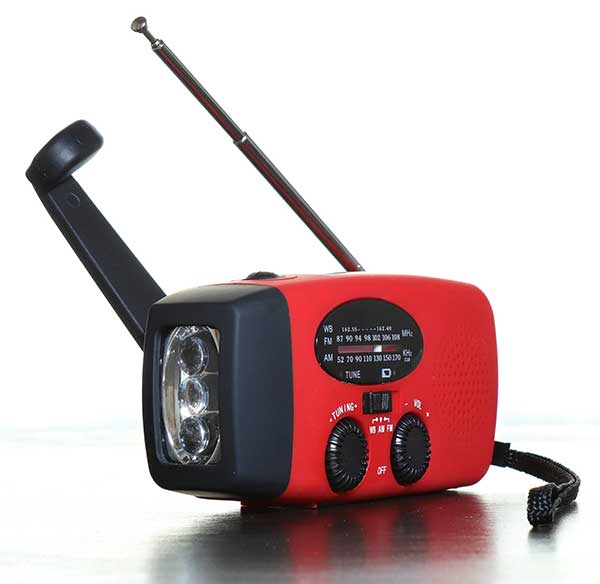
A battery-powered or hand-crank weather radio can keep you informed even when the power and internet are out. Look for one with NOAA Weather Alerts that trigger automatically.
If you don’t have one of these, an old fashioned portable radio that runs on battery power is probably the next best thing. If the power goes out for an extended period of time, cell service in the area might be affected as well. Most households no longer have a simple battery powered radio like this, but if your car still has battery power, the built-in radio might be a valuable resource for information.
Avoid rumor mills and unofficial info during a crisis. Social media can be a great way to share info or reach out to others, but it’s almost always full of misinformation or users stating unconfirmed info as if it was a fact. Whether you’re following on social media or looking online for updates, it’s best to stick to official channels such as:
Make a habit of checking in with local news sources before and during any storm, flood warning, or major event. Knowing what to expect before an event will help you prepare and take appropriate action during and after an emergency event or disaster.

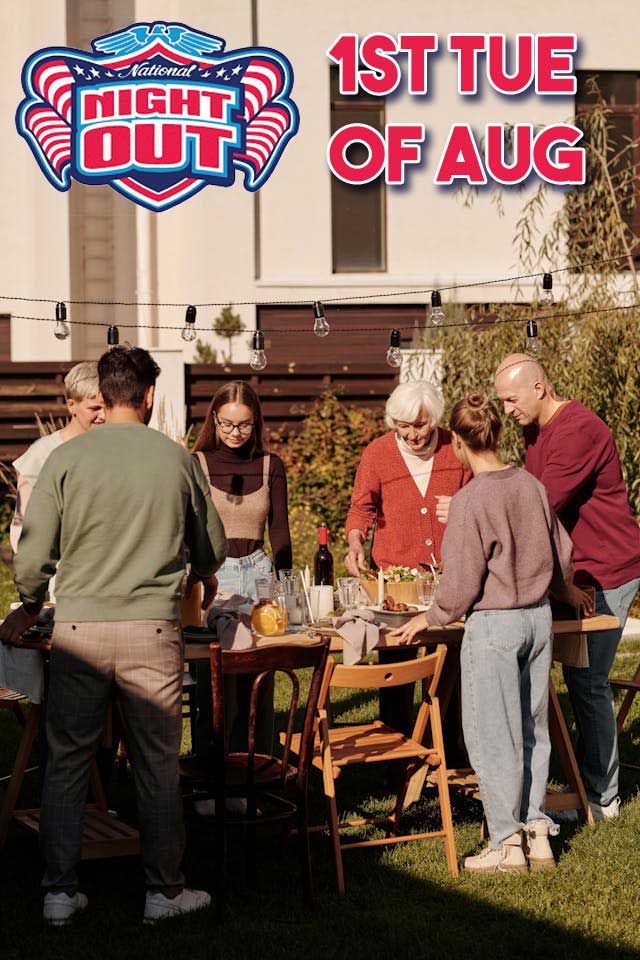
In an emergency, your neighbors might be your closest (and fastest) source of help. LIkewise, if you and your family are able to help others, it could play a significant role in the outcome of other’s lives until professional first responders are able to arrive.
Whether it’s lending a flashlight during a power outage or checking in on someone who lives alone, strong local connections can make a huge difference during a crisis.
Share contact info or set up a group text so you can check in quickly when something happens. This network doesn’t have to be just for emergencies. Going out of town and can’t remember if you turned the sprinkler off? Someone in your local network can check on that for you!
You don’t need to organize a big emergency plan. Just knowing who lives nearby and how to reach them can go a long way. If you’re out of town during a storm, knowing someone can check on your home, or your animals, can be a real peace of mind.
If you want to dig deeper or get more ideas for your own plan, these trusted resources are a great place to start. They offer simple guides, printable lists, videos, and more.
Emergency planning doesn’t have to be complicated, and it’s not just for “preppers” or people who live off-grid. It’s for anyone who wants to keep their family safe and reduce stress when things go from everyday normal, to unexpected and life gets interrupted.
Start small. Talk with your household. Make a list. Build your supplies over time. And remember: It might take some effort now, but your future self will thank you.
Download or print out this PDF to help you keep track of your preparedness.
= Official Event
= Community Event
Subscribe to our Google Calendar For The Latest Meeting Dates and Official Events